How We Build a Video That Actually Gets Watched (Our Exact 6-Step Process)
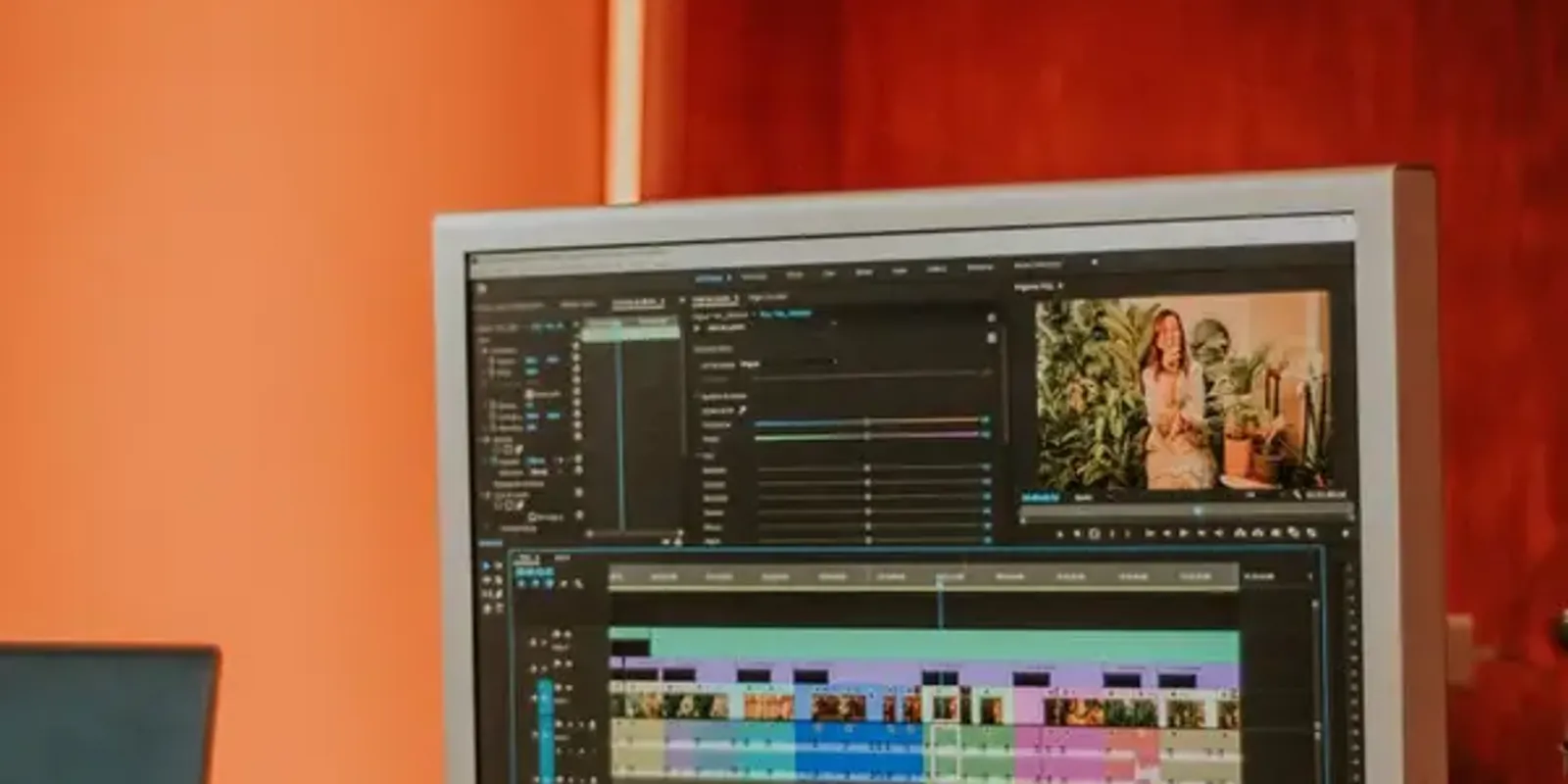
Anyone can put clips on a timeline. Making a video that people actually watch till the end is a different job.
Most videos don't fail because of bad editing. They fail because nobody planned what the viewer should feel in the first ten seconds, the middle and the end. By the time footage reaches an editor, the biggest decisions have already been missed.
That's why our process starts long before we open the editing software. Here's exactly how we build a video at Framenox, step by step.
Step 1: The Goal Call (Before We Touch Any Footage)
Every project starts with a short call or a written brief. We ask simple questions:
- Who is this video for?
- What should they do after watching: subscribe, buy, book a call, share?
- Where will it be posted: YouTube, Instagram, LinkedIn, an ad, your website?
- Which videos do you love, and which ones do you dislike?
These answers decide everything: the length, the pace, the music, the format, even the font. A 60-second Reel for a young audience and a 7-minute YouTube explainer for business owners need completely different edits.
Step 2: Packaging Before Production
This is the step most teams skip, and it's the one we care about most.
Before we edit, we think about the packaging: the title and thumbnail, or the hook text for shortform content. If nobody clicks, it doesn't matter how good the video is.
Planning the packaging first also keeps the video focused. If the title promises "3 mistakes that kill your sales," the video must deliver exactly that, fast and clearly.
Step 3: Script and Structure
For long-form videos, we follow a simple structure that keeps people watching:
The hook (first 30 seconds): Tell viewers what they'll get and why it matters to them. No long
- intros, no full minute of "hey guys, welcome back."
The body: Deliver the value in clear sections. Every section ends with a small reason to keep
- watching.
The outro (last 30 seconds): A quick summary and one clear call to action.
If you already have a script, we review it and suggest cuts. If you only have raw footage, we build the structure from what you've recorded.
Step 4: The Rough Cut
Now the editing begins. In the rough cut, we focus only on story and pace. No fancy effects yet.
We remove filler words, long pauses, repeated points and anything that slows the viewer down. We arrange the best moments in the strongest order. A tight rough cut usually makes a video shorter and much better.
We share this version with you so you can approve the story before we invest time in polish.
Step 5: Motion Graphics, Sound and Polish
Once the story is locked, we bring it to life:
- Motion graphics to explain ideas, highlight numbers and add visual rhythm
- Captions styled for your brand, because many people watch without sound
- B-roll and visuals to break up talking-head shots
- Sound design: music, whooshes and small sound effects that make cuts feel smooth
- Color correction so every shot looks consistent and professional
We also add retention moments: small changes every few seconds, like a zoom, a graphic or a cutaway. These "pattern interrupts" keep the viewer's brain engaged without feeling distracting.
Step 6: Review, Revise, Deliver
You get the full edit with an easy way to leave timestamped comments. No long email threads, no confusion about "the part around the middle."
We make your revisions, check everything one final time and deliver the files in every format you need: 16:9 for YouTube, 9:16 for Reels and Shorts, 1:1 or 4:5 for feeds, plus thumbnails and caption files if required.
What Makes This Process Work
The secret isn't a single tool or effect. It's the order of the steps.
When the goal, packaging and structure are clear first, editing becomes faster and revisions become smaller. You spend less time explaining and more time getting results.
This process also means you always know where your project stands. There are clear checkpoints (brief, rough cut, final cut, delivery) so nothing gets lost along the way.
The Small Habits Behind Every Edit
Beyond the six steps, a few habits make a big difference on every project:
- We watch the edit on a phone before sending it, because that's where most of your audience will see it.
- We check the first frame on its own. If it doesn't make sense as a still image, we change it.
- We cut for the viewer, not for ourselves. If a beautiful shot slows the story down, it goes.
- We keep a project file for your brand, so fonts, colors, intros and caption styles stay consistent from one video to the next.
These details are small, but together they are what make a video feel professional instead of just "edited."
Want This Process for Your Next Video?
Whether it's a YouTube series, a product launch video, a batch of Reels or a motion graphics explainer, we'll plan it, edit it and deliver it, ready to post.

We build websites and business systems, and offer video editing and graphic design, all under one roof.